Fox News reported:
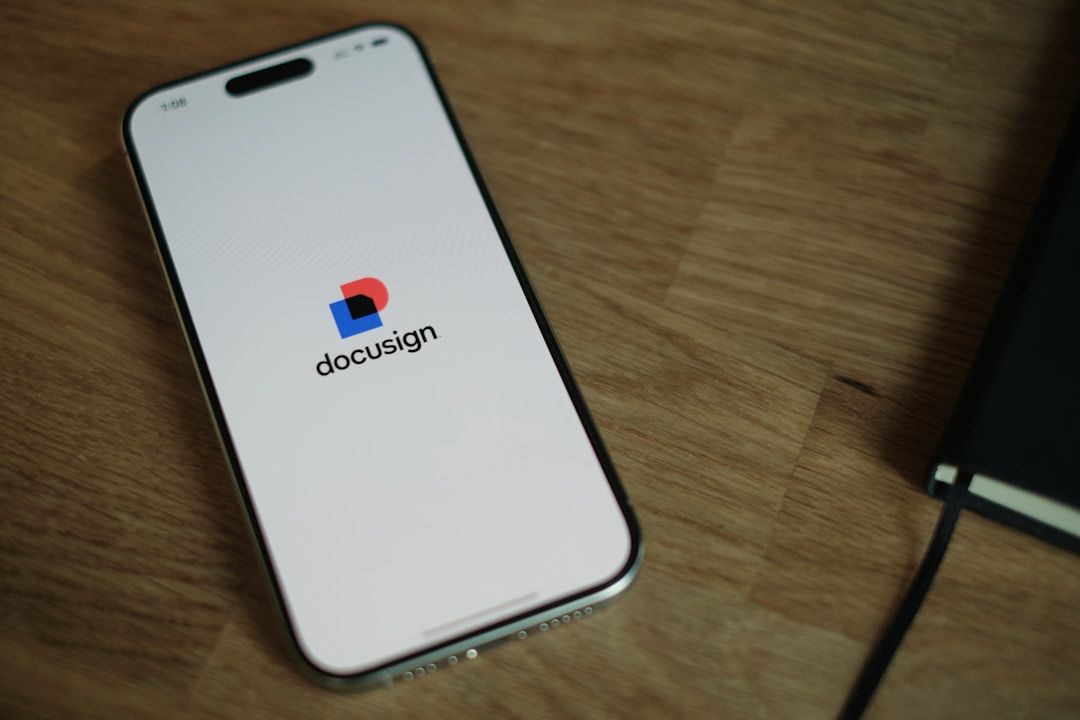
DocuSign is used by millions of businesses and government agencies. Because people expect these requests, they often click without hesitation. Scammers exploit that habit. A typical DocuSign phishing email tries to create urgency. It may claim a license renewal, a contract update, or a payroll form requires immediate action. Once you click the button, several things may happen:
The email address sending the message was:
info.florida-department-of-health-email-notification@cc.ncu.edu.tw
Click to read the original article for ways to avoid the scam here.
- You may land on a fake login page designed to steal your email password.
- The site may prompt you to download a malicious file.
- The link may redirect you to several phishing pages.
The email address sending the message was:
info.florida-department-of-health-email-notification@cc.ncu.edu.tw
Click to read the original article for ways to avoid the scam here.
Key Takeaway: Only respond to DocuSign emails that you were expecting for workflows that are pending. If in doubt, reach out to the expected sender for confirmation.
Enroll in Training Sessions: Last Thursday of Every Month is Training on Frauds and New Scam Alerts and How to Combat
Enroll in Training Sessions: Last Thursday of Every Month is Training on Frauds and New Scam Alerts and How to Combat