The National Cybersecurity Alliance reported:
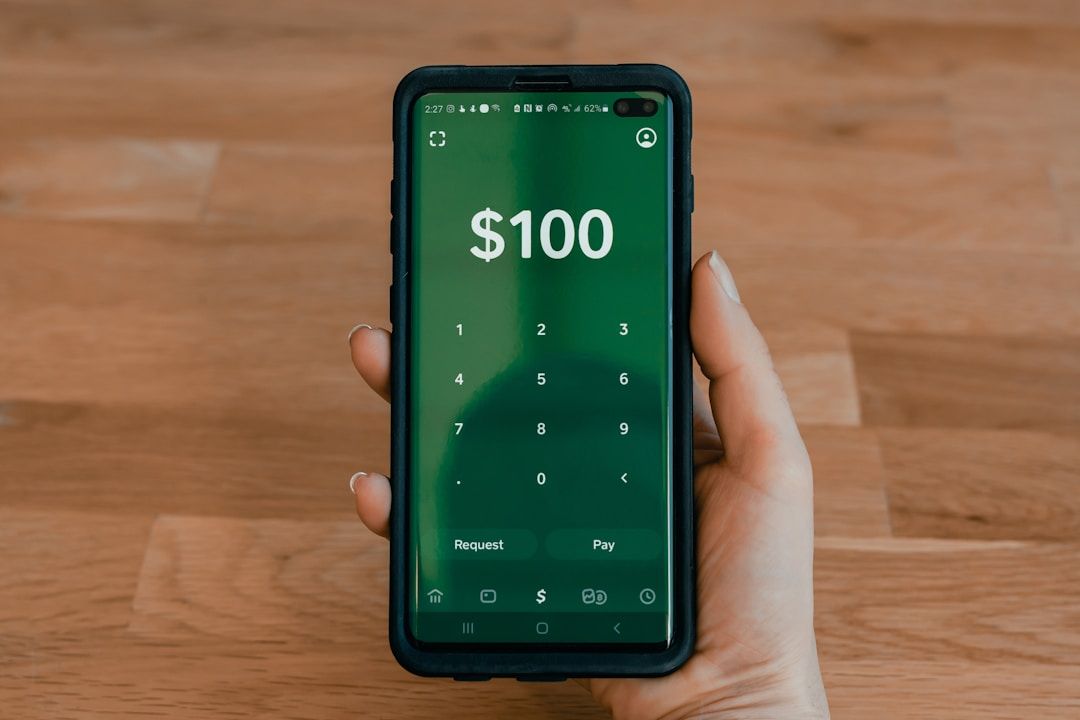
Accidental deposit scams involve fraudsters using mobile payment apps to trick users into sending them money. If you are the target of this scam, you receive a sum of money through a payment app from someone you don’t know. Then messages come flooding into your inbox: the person made a typo, they sent you money by accident, can you please send it back?
You might be thinking, how can it be a scam if someone is sending me money? The scam is that the money “accidentally” sent to you was likely from a hacked credit card or bank account. Basically, the scammer is doing money laundering. If the bank catches them and reverses the charge while you are in the process of returning the money, you might end up paying an untraceable profile money out of your own bank account.
Accidental deposit scams involve fraudsters using mobile payment apps to trick users into sending them money. If you are the target of this scam, you receive a sum of money through a payment app from someone you don’t know. Then messages come flooding into your inbox: the person made a typo, they sent you money by accident, can you please send it back?
You might be thinking, how can it be a scam if someone is sending me money? The scam is that the money “accidentally” sent to you was likely from a hacked credit card or bank account. Basically, the scammer is doing money laundering. If the bank catches them and reverses the charge while you are in the process of returning the money, you might end up paying an untraceable profile money out of your own bank account.
Find out more with the original article here.
Enroll in Training Sessions: Last Thursday of Every Month is Training on Frauds and New Scam Alerts and How to Combat
Enroll in Training Sessions: Last Thursday of Every Month is Training on Frauds and New Scam Alerts and How to Combat